
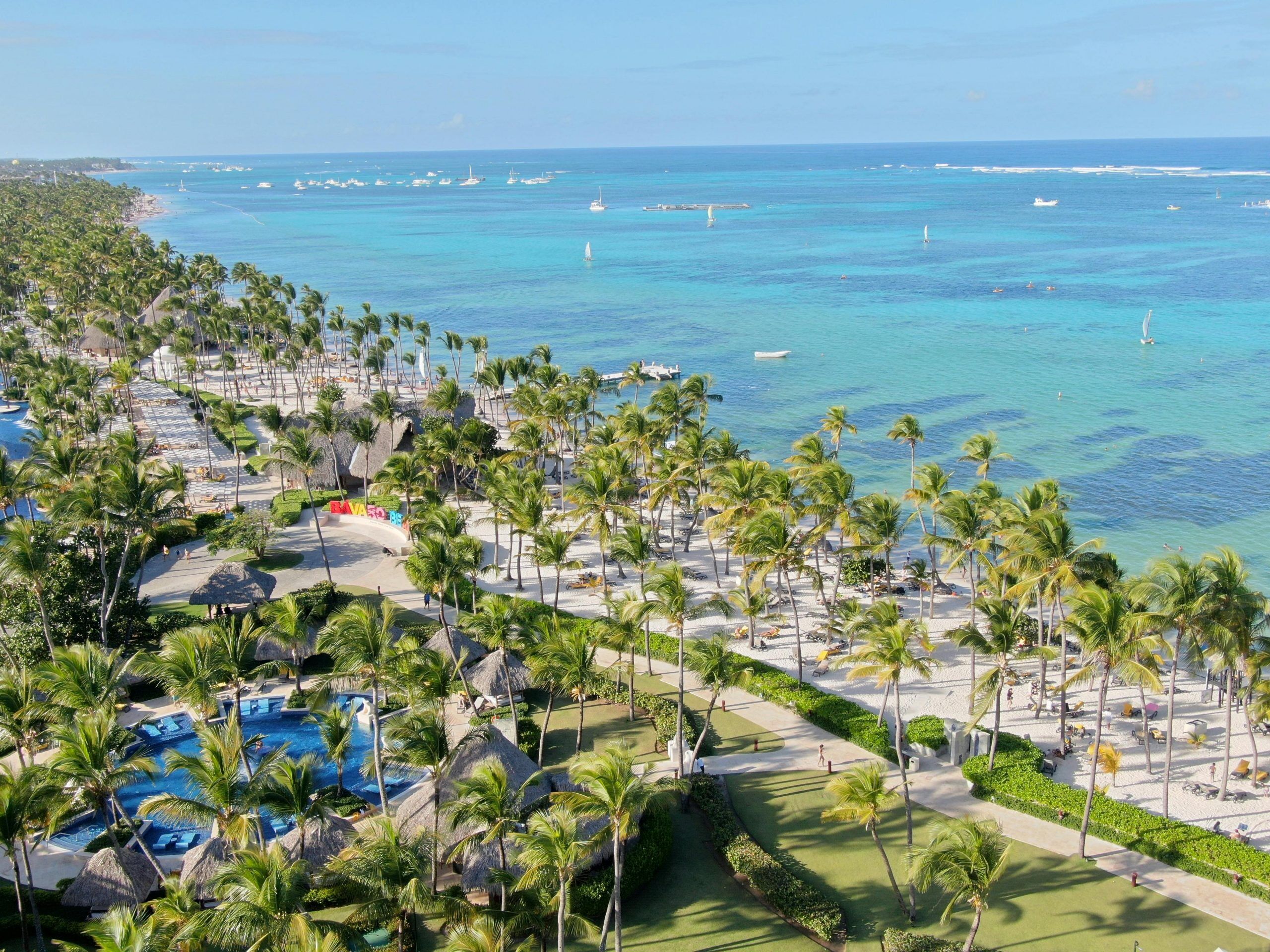
Moving to the Dominican Republic: The Complete Expat Guide to Living in Punta Cana
Thinking about moving to the Dominican Republic? Discover everything you need to know about living in Punta Cana, from housing and cost of living to healthcare, international schools, banking, visas, taxes, cars and starting a business.
The Dominican Republic is no longer simply one of the Caribbean’s most popular vacation destinations. For a growing international community, it has become a place to live, work, invest, retire and raise a family.
And Punta Cana is at the center of that transformation.
With beautiful Caribbean beaches, modern residential communities, an international airport, private schools, healthcare facilities, restaurants, shopping centers, golf courses and an expanding real estate market, Punta Cana offers an attractive combination of tropical lifestyle and modern convenience.
Whether you are relocating from the United States, Canada, Europe or elsewhere, this Casa Key Expat Guide to Punta Cana and the Dominican Republic covers the essential questions you should consider before making the move.
1. Moving to the Dominican Republic
Relocating to another country requires much more preparation than taking an extended vacation.
Before moving to the Dominican Republic, consider five essential areas:
Immigration and residency
Housing
Healthcare
Education, if relocating with children
Banking and taxation
You should also determine whether you plan to live in the country permanently, spend only part of the year there, retire, work remotely, establish a business or invest in real estate.
These decisions can influence everything from your immigration status to your choice of neighborhood.
For many international residents, Punta Cana is one of the easiest places to begin life in the Dominican Republic because of its international infrastructure and extensive selection of residential communities.
2. What Is It Like Living in Punta Cana?
Living in Punta Cana can feel very different from staying at an all-inclusive resort.
Beyond the hotels is a rapidly developing residential region where Dominicans and international residents live year-round.
Depending on your lifestyle and budget, you can choose between beach-oriented neighborhoods, golf communities, gated developments and more traditional residential areas.
Some of the most popular areas include:
Punta Cana Village
A convenient choice for families, professionals and expatriates looking for a residential environment close to Punta Cana International Airport.
Restaurants, shops, schools and everyday services are readily accessible.
Cap Cana
One of the Dominican Republic’s most prestigious destinations.
Cap Cana appeals to residents seeking luxury villas, upscale apartments, golf, marina living, beaches and high-end amenities.
Bávaro
Bávaro offers a broad selection of apartments, houses and condominiums and provides convenient access to beaches, supermarkets, restaurants and entertainment.
Cocotal Golf & Country Club
Popular with international residents looking for villas and apartments within a secure golf community.
Vista Cana
A newer master-planned community offering modern apartments, townhouses and villas, with many developments providing swimming pools, sports facilities and other amenities.
Cana Bay
Another option for buyers and renters interested in resort-style and golf-oriented living.
The right neighborhood ultimately depends on whether you prioritize proximity to the beach, schools, airport, nightlife, golf, privacy or investment potential.
3. Renting or Buying a Home in Punta Cana
One of the first decisions expatriates face is whether to rent or buy.
Renting First
For newcomers, renting can be an excellent way to understand the area before purchasing.
Living in Punta Cana for several months allows you to discover which neighborhood best suits your daily routine.
You may realize, for example, that proximity to school is more important than proximity to the beach, or that you prefer a quiet gated community to a tourism-oriented neighborhood.
Buying Property
Foreign nationals can purchase real estate in the Dominican Republic, making Punta Cana particularly interesting for international buyers.
Properties range from affordable apartments to multimillion-dollar luxury villas.
Casa Key offers properties for both sale and long-term rental throughout Punta Cana, including Punta Cana Village, Bávaro, Cap Cana, Vista Cana, Cocotal and Cana Bay.
4. Cost of Living in Punta Cana
One of the most frequently searched questions among future expatriates is:
How much does it cost to live in Punta Cana?
There is no universal answer.
Punta Cana can accommodate very different lifestyles. Your monthly expenses will depend heavily on your housing, electricity consumption, transportation, school choice, health insurance and entertainment.
A person living in a modest apartment will naturally have a very different budget from a family renting a luxury villa in Cap Cana and sending several children to international school.
Major expenses normally include:
Housing
Rent is usually one of the largest monthly expenses.
Prices vary substantially depending on the neighborhood, number of bedrooms, furnishings, amenities and whether the property is located inside a premium gated community.
Electricity
Air conditioning can represent a significant part of household electricity consumption.
When viewing a property, ask about previous electricity bills and the efficiency of the air-conditioning systems.
Internet and Mobile Phones
Reliable internet is particularly important for remote workers and entrepreneurs.
Before renting or buying, verify which providers and connection types are available at the specific property.
Food
Punta Cana has local supermarkets as well as stores carrying imported products.
Buying local products can help control grocery expenses, while imported European or North American brands can significantly increase the monthly budget.
Restaurants and Entertainment
Punta Cana offers everything from casual local restaurants to sophisticated dining establishments, beach clubs and luxury resorts.
Your entertainment budget can therefore vary enormously.
Transportation
Many residents choose to own a vehicle because Punta Cana is geographically spread out.
Your transportation budget should include fuel, insurance, maintenance and vehicle-related costs.
Important: online “cost of living” figures should be treated as estimates rather than guaranteed budgets. Before relocating, calculate your own projected expenses according to the neighborhood and lifestyle you actually intend to have.
5. Healthcare and Health Insurance in the Dominican Republic
Healthcare should be researched before relocating.
Punta Cana and the surrounding area have private healthcare facilities, while more specialized treatment may sometimes require traveling elsewhere in the Dominican Republic.
Many expatriates choose private medical insurance.
Depending on the policy, insurance may provide access to private clinics, specialists, diagnostic services and hospitalization.
Before choosing coverage, compare:
Geographic coverage
Hospital network
Emergency coverage
Deductibles
Prescription coverage
International coverage
Pre-existing-condition provisions
Reimbursement procedures
Some expatriates combine Dominican health coverage with an international insurance policy, particularly if they travel frequently.
Always confirm current benefits, exclusions and coverage directly with the insurer before purchasing a policy.
6. International Schools in Punta Cana
For families relocating with children, education is often one of the most important factors when choosing where to live.
The Punta Cana area has private and international education options, including bilingual programs.
Before enrolling your children, investigate:
Curriculum
Teaching languages
Accreditation
Grade levels
Tuition
Registration fees
Transportation
Extracurricular activities
Admission requirements
School location should also influence your property search.
A beautiful home can become inconvenient if school transportation requires a long daily commute.
For this reason, families relocating to Punta Cana often benefit from selecting their school and residential area together rather than treating them as separate decisions.
7. Opening a Bank Account in the Dominican Republic
Having a Dominican bank account can make everyday life significantly easier.
It can be useful for paying rent, utilities, local suppliers, employees and other recurring expenses.
Account-opening requirements vary between financial institutions and according to whether you are a resident or non-resident.
Banks may request identification and documentation relating to your address, immigration status, income, professional activity and source of funds.
International clients should therefore contact the bank directly before visiting to obtain the current list of requirements applicable to their individual situation.
If you are transferring significant funds from abroad—for example, to purchase real estate—your bank may also request documentation establishing the origin and purpose of the funds.
Keeping clear financial records can simplify the process.
8. Buying a Car in the Dominican Republic
Although transportation services are available, owning a car can make everyday life much easier for many Punta Cana residents.
This is especially true for families or people living outside the main tourism areas.
Before purchasing a vehicle, consider:
Purchase price
Vehicle history
Registration
Insurance
Fuel consumption
Maintenance
Availability of replacement parts
Resale value
If buying a used car, have the vehicle inspected by an independent professional and verify the ownership documentation before completing the transaction.
For many expatriates, SUVs and vehicles with good ground clearance are popular because they can be practical for exploring different parts of the country.
9. Visas and Residency in the Dominican Republic
Immigration requirements depend on your nationality and the purpose and duration of your stay.
Visiting the Dominican Republic as a tourist is different from establishing legal residency.
Foreigners intending to relocate should determine the appropriate immigration category before making long-term plans.
Temporary residency is one pathway available to foreigners intending to establish themselves temporarily in the country. Requirements can include a valid passport, residence visa, apostilled civil-status documents, criminal-record documentation, medical examinations, financial-solvency evidence and other supporting documents.
Immigration rules, fees and documentation requirements can change.
Always verify your individual situation with the Dominican Republic’s Dirección General de Migración and qualified immigration professionals before applying.
Do not base an international relocation exclusively on information found in blogs or social media.
10. Taxes in the Dominican Republic
Taxation is another area where expatriates should obtain personalized professional advice.
Immigration residency and tax residency are not necessarily the same thing.
Under Dominican tax rules, physical presence in the country can affect whether an individual becomes a Dominican tax resident.
Foreigners who spend substantial periods in the Dominican Republic should therefore review their tax situation before relocating.
This becomes particularly important if you:
Own businesses abroad
Receive investment income
Own rental properties
Work remotely
Receive income from several countries
Plan to establish a Dominican company
International taxation can involve both Dominican law and the rules of your home country.
Never assume that moving abroad automatically ends your tax obligations elsewhere.
A Dominican accountant or tax attorney familiar with international clients can review your circumstances before you establish tax residency.
11. Starting a Business in the Dominican Republic
The Dominican Republic can also be attractive to entrepreneurs and international investors.
Foreign investors can establish business operations in the country, subject to the relevant corporate, tax and regulatory requirements.
Common Dominican corporate structures include the SRL (Sociedad de Responsabilidad Limitada) and SAS (Sociedad Anónima Simplificada), among other structures.
The incorporation process generally involves several stages, including:
Registering the commercial name.
Completing the applicable company incorporation and tax procedures.
Registering the company with the relevant Chamber of Commerce and obtaining its Mercantile Registry.
Obtaining the company’s RNC, or taxpayer registration number.
Depending on the activity, additional licenses, permits or registrations may be necessary.
Before choosing a corporate structure, speak with a Dominican attorney and accountant. The best solution for a small local business may not be the best structure for an international investment or a company with foreign shareholders.
12. Working Remotely From Punta Cana
Punta Cana has become increasingly appealing to entrepreneurs, consultants and remote professionals who want to combine work with a Caribbean lifestyle.
If you plan to work remotely, property selection becomes especially important.
Ask about:
Internet reliability
Backup internet options
Electricity reliability
Backup power systems
Air conditioning
Workspace
Noise levels
Mobile coverage
A beachfront apartment may look perfect in photographs but may not necessarily be the best choice for someone conducting international video conferences every day.
Lifestyle and practical requirements should always be considered together.
13. Buying Real Estate as an Expat
Many expatriates eventually decide to purchase a property after living in Punta Cana.
Buying can make sense for people planning to remain in the Dominican Republic long-term, those looking for a second home or investors interested in rental property.
Popular choices include:
Apartments: often easier to maintain and attractive for investors.
Villas: suitable for families and buyers seeking privacy and outdoor space.
Golf properties: particularly popular in communities such as Cocotal, Cana Bay and Cap Cana.
Beach properties: attractive for lifestyle buyers and potentially vacation-rental investors.
New developments: can provide modern amenities and structured payment schedules.
Before purchasing, buyers should conduct appropriate legal due diligence and understand the property’s title, condominium rules, recurring fees and transaction costs.
14. Is Punta Cana a Good Place for Expats?
For the right person, absolutely.
Punta Cana can be particularly attractive if you value:
Warm weather
Caribbean beaches
Outdoor living
International connectivity
Golf and water sports
Gated residential communities
A multicultural environment
Real estate opportunities
A slower lifestyle than many major international cities
However, relocating successfully means understanding that living somewhere is different from vacationing there.
Spend time exploring different neighborhoods before committing to a long-term home.
15. Expat Checklist Before Moving to Punta Cana
Before relocating, make sure you have considered:
Passport and immigration requirements
Residency options
Apostilled official documents
Health insurance
Housing
Schooling
Banking
Transportation
Tax implications
International money transfers
Internet and remote-work requirements
Business structure, if applicable
Most importantly, begin preparing before arriving rather than trying to solve everything after the move.
16. Finding a Home in Punta Cana
Your choice of home will have an enormous impact on your experience as an expatriate.
Rather than searching only by price, consider your complete lifestyle.
Do you need to be near an international school?
Do you want to walk to the beach?
Would you prefer golf-course living?
Do you need to reach Punta Cana International Airport frequently?
Are you looking for nightlife and restaurants or peace and privacy?
Do you want an apartment requiring minimal maintenance or a villa with a private garden and swimming pool?
Answering these questions allows Casa Key to identify properties that genuinely correspond to your relocation plans.
17. Let Casa Key Help You Relocate to Punta Cana
Moving to another country can be exciting, but finding the right home from thousands of kilometers away can be challenging.
Casa Key helps international clients looking to rent, buy or invest in real estate in Punta Cana and the Dominican Republic.
Whether you are searching for:
An apartment in Punta Cana
A family home near international schools
A furnished long-term rental
A villa in Vista Cana
A golf property in Cocotal or Cana Bay
A residence in Punta Cana Village
A luxury property in Cap Cana
A Caribbean second home
An investment property
our team can help you identify suitable opportunities according to your budget, lifestyle and objectives.
Planning Your Move to Punta Cana?
Tell Casa Key:
Your budget · Preferred location · Number of bedrooms · Rental or purchase · Moving date · Lifestyle requirements
We can then help you find properties that correspond to your plans.
Casa Key — Your Real Estate Partner in Punta Cana and the Dominican Republic
This guide provides general information only. Immigration, taxation, banking, corporate and legal requirements can change and depend on individual circumstances. Always obtain current advice from the relevant Dominican authorities and qualified legal, tax and financial professionals before making decisions.